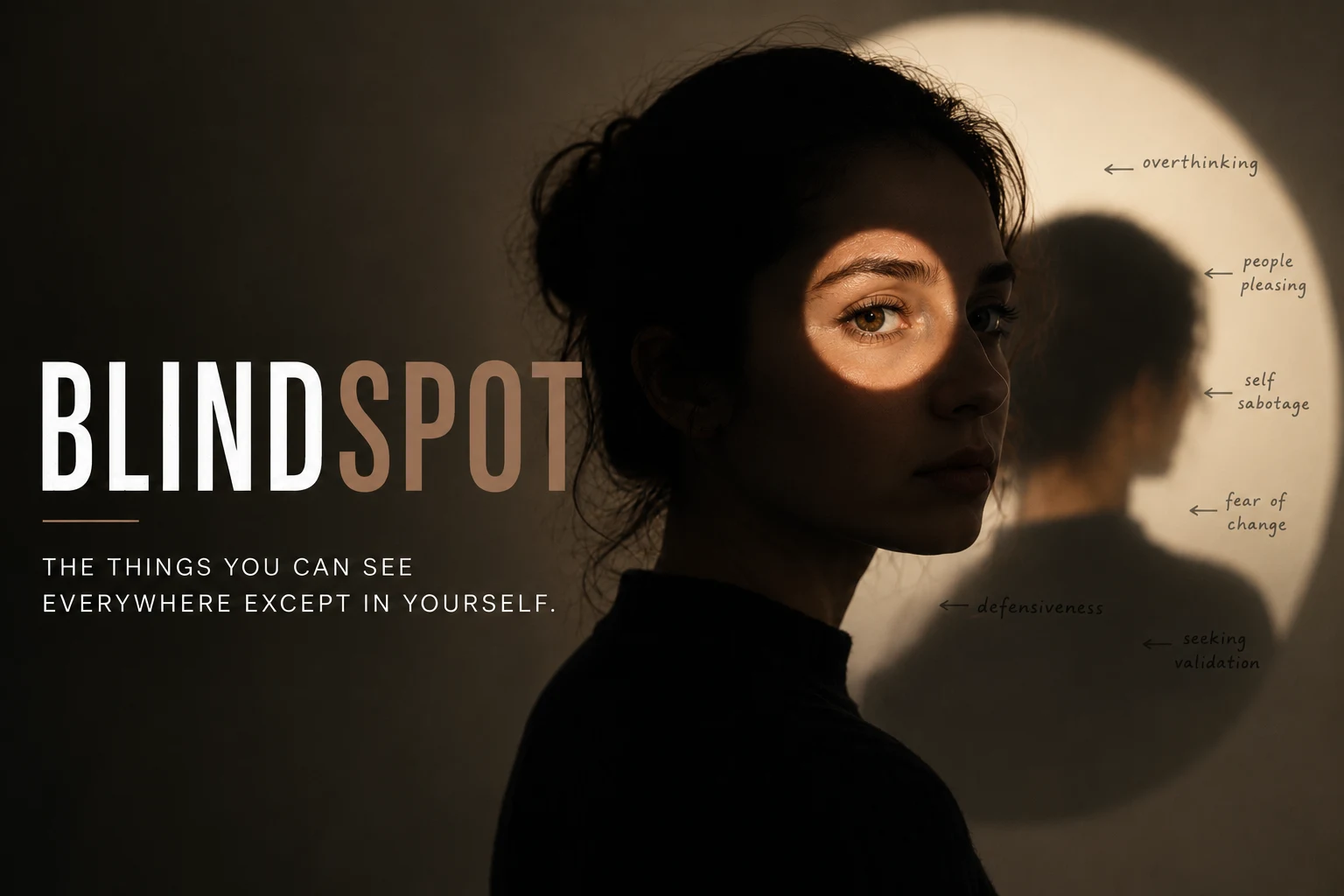
Why self-awareness has a limit - and what psychology says about the one thing you still can't quite bring into focus.
The hardest problems in our lives usually aren't the ones we don't know about. They're the ones we can almost see, but never quite bring into focus.
That One Thing
You know the one.
The relationship you keep circling back to, telling yourself this time is different. The habit you've sworn off - for the tenth time this year. The career choice that looks fine on paper but never quite sits right. The insecurity you can explain in perfect, articulate detail, and still haven't managed to shake.
Here's the weird part. It's not that these patterns are invisible. Everyone around you can usually see them. Your best friend named it months ago. Your partner clocked it by the third argument, not the tenth. You nod along when someone finally says it out loud and then, somehow, you go right back to living inside it, still wondering why you keep making the same mistakes.
That's not denial, exactly. It's something stranger. You know it. And you don't. At the same time.
Psychology has a word for this. It's called a blindspot. Yet it might be the most honest place to start understanding yourself.

Editing Reality
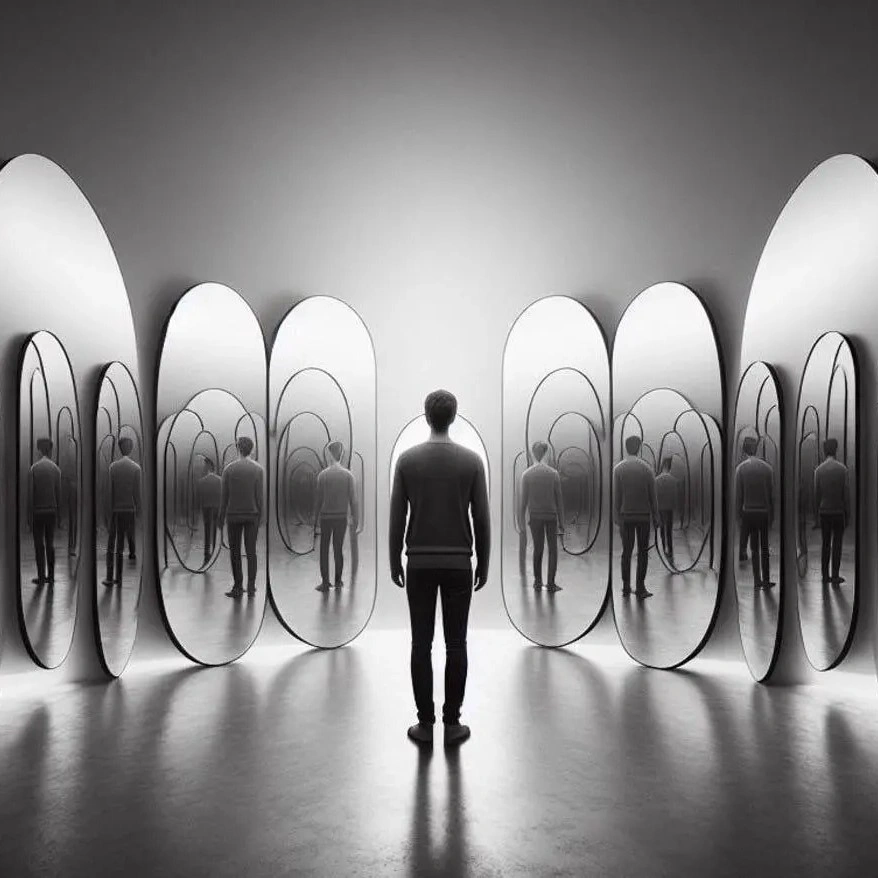
A blind spot isn't ignorance. Ignorance is not knowing something exists. A blind spot is stranger - it's information your brain already has, and quietly decides not to show you.
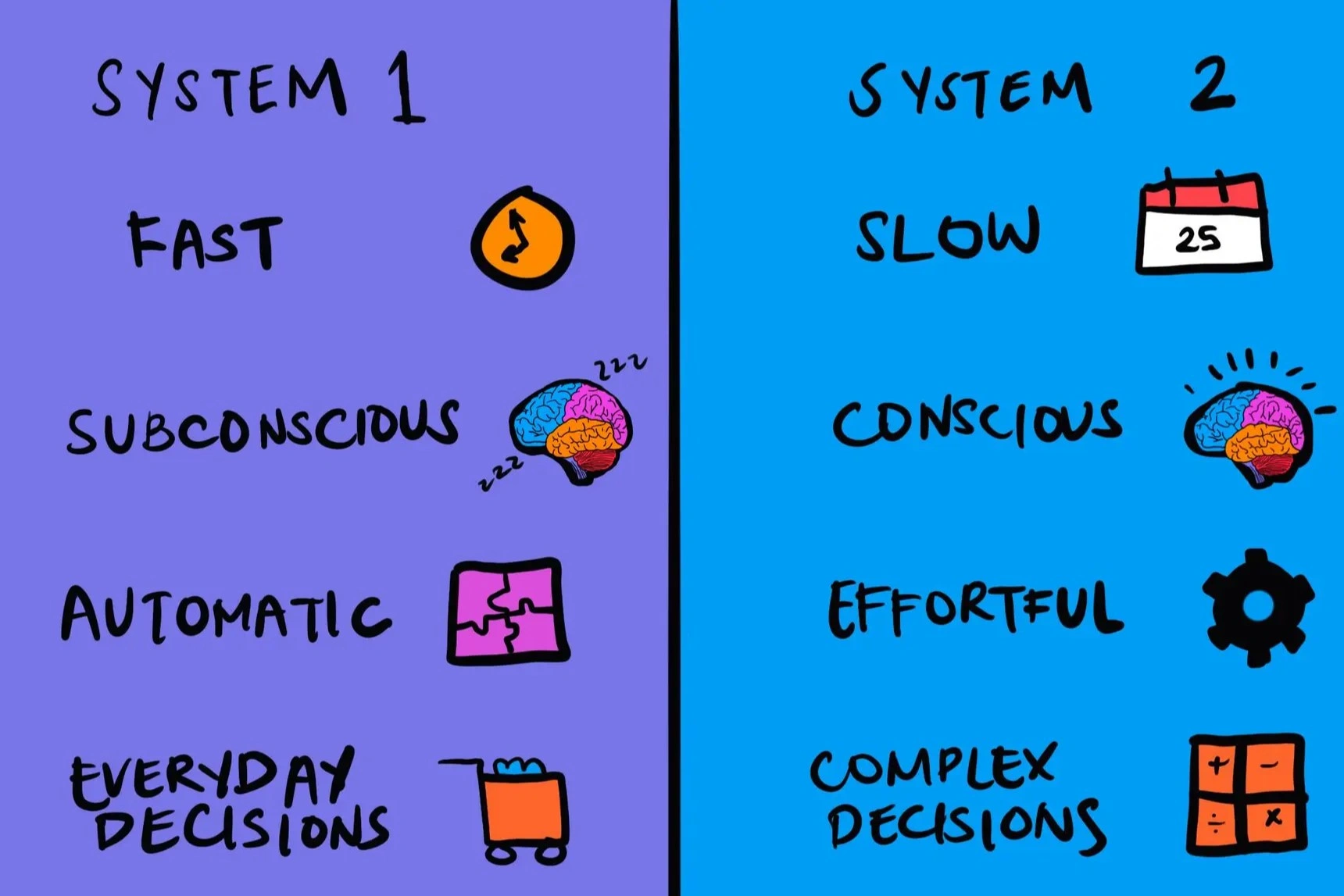
Daniel Kahneman spent much of his career proving exactly this. He described two systems running every decision you make: System 1, fast and instinctive, and System 2, slow and deliberate. Most of your day runs on System 1 - the brain's autopilot, built for speed, not accuracy. It fills gaps with assumptions. It skips anything too uncomfortable to sit with. That skipping is where your blind spot lives.
So when people talk about the psychology of self-awareness, they're not really talking about how much you know. They're talking about what you let yourself look at.
The Johari Window
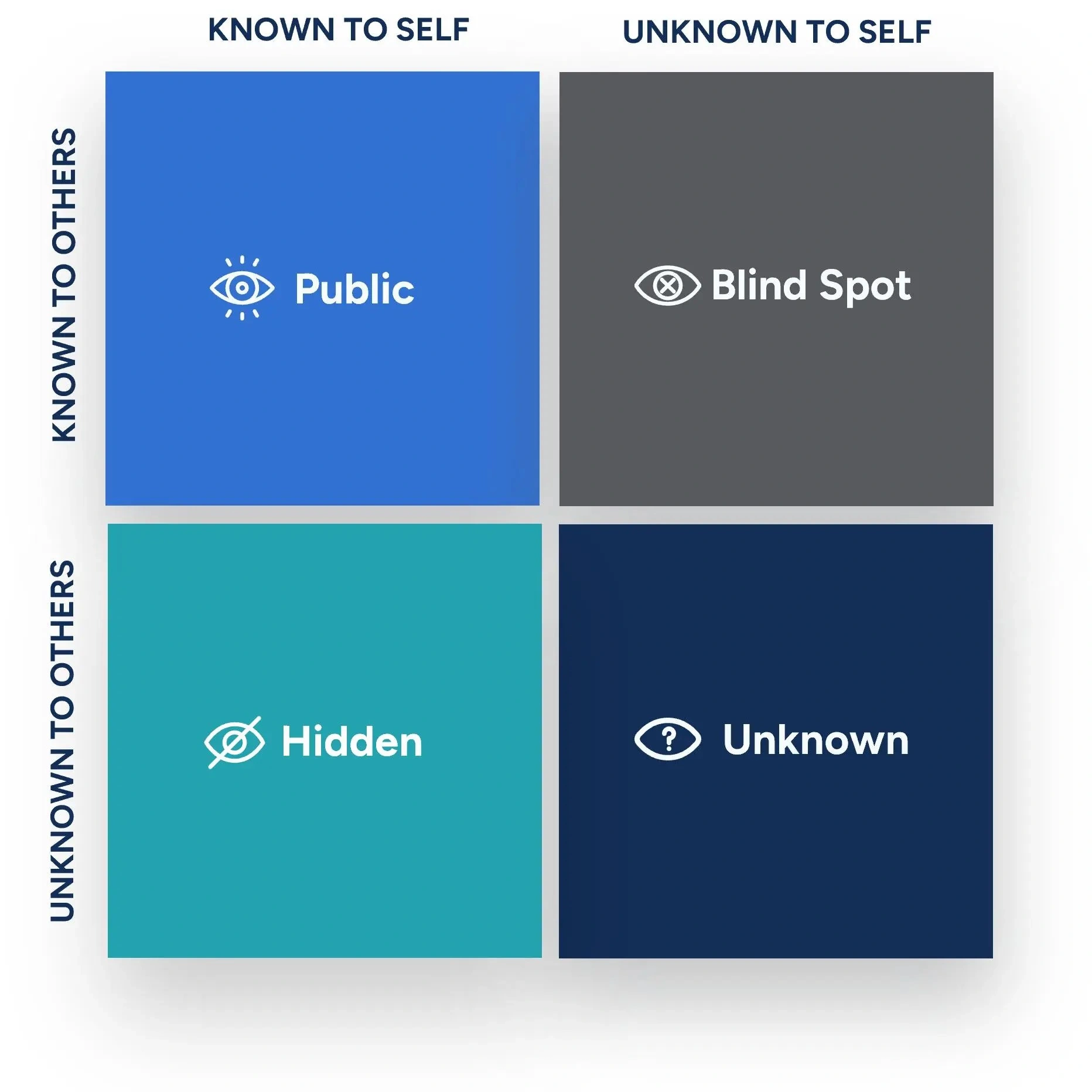
Psychologists Joseph Luft and Harrington Ingham once mapped this out in a simple model called the Johari Window. Picture four panes of glass. One shows what you know about yourself and others know too. One shows what you keep hidden. One shows what nobody knows yet. And one - this is the interesting one - shows what everyone around you can see clearly, except you.
That's your blind spot. Not buried. Not secret. Just standing right there, visible to everyone but you.

The Four Guards
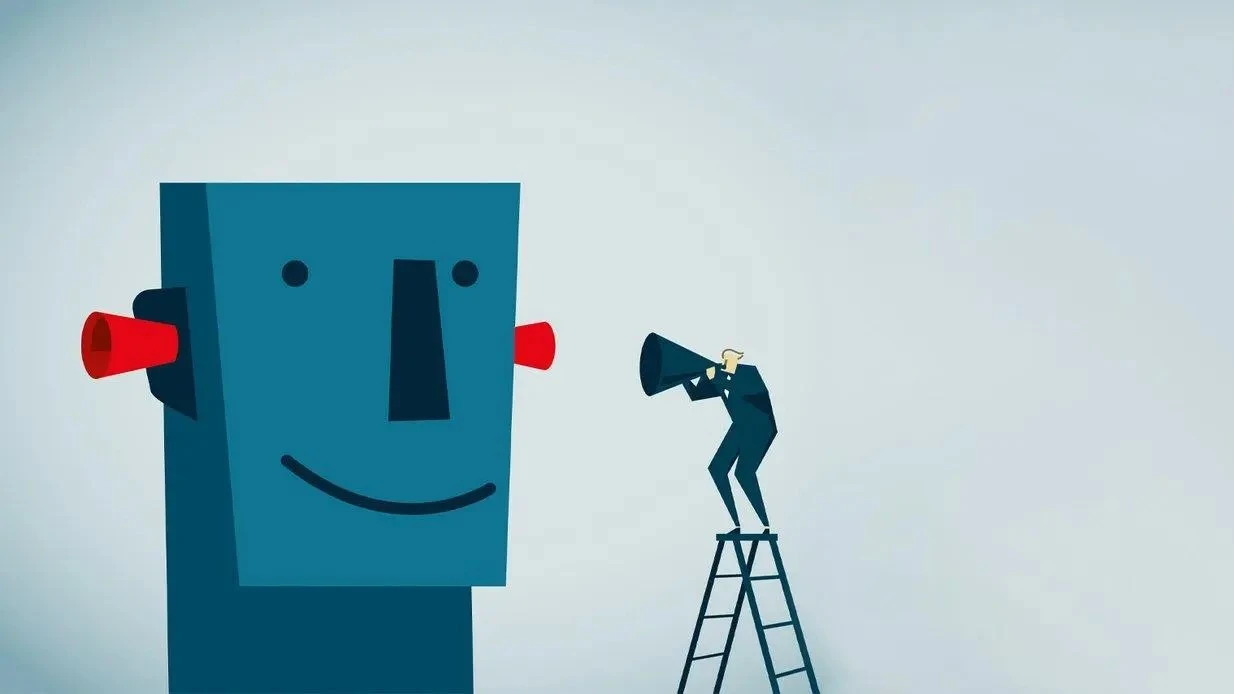
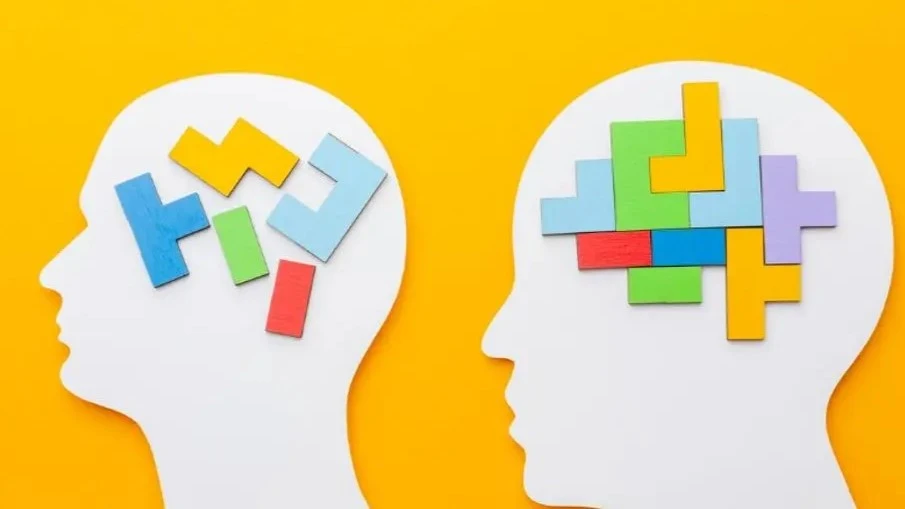
Your brain isn't randomly missing this stuff. It's actively protecting it. Four biases do most of the work.
Confirmation Bias
This bias hunts for evidence that agrees with you, and quietly ignores what doesn't.
Self-Serving Bias
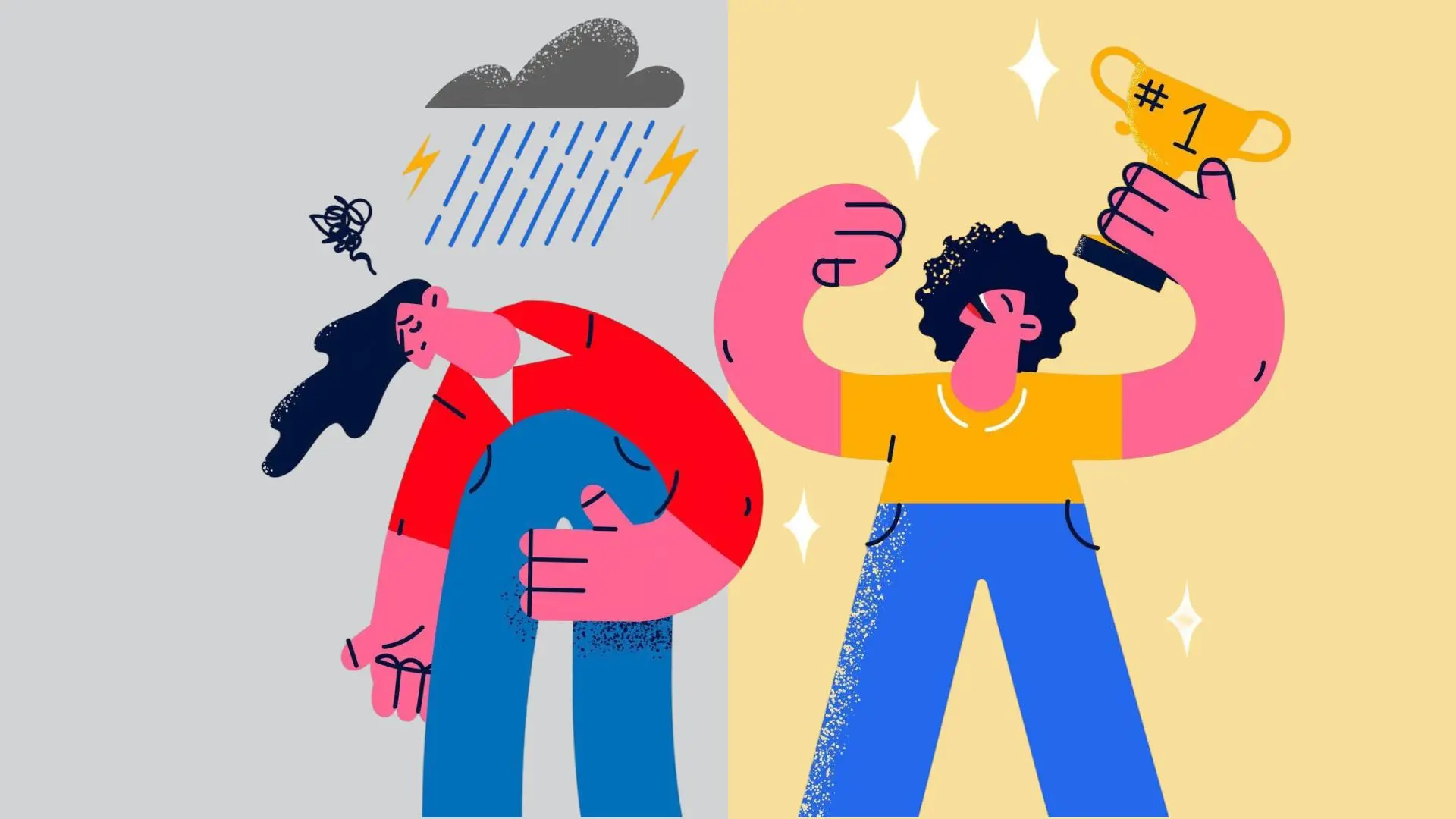
This bias takes credit when things go right, and blames circumstances when they don't.
Cognitive Dissonance
a term coined by Leon Festinger, is what you feel when two beliefs collide, like "I'm smart with money" and "I'm somehow always broke by the 20th." Instead of updating the belief, it's often easier to rewrite the story.
Choice Supportive Bias
This bias keeps you defending a decision simply because it's already yours. Put them together and you get something researcher Emily Pronin actually named: the bias blind spot. Her studies found we're remarkably good at spotting bias in other people, and remarkably bad at spotting it in ourselves. Which, fittingly, kind of proves her own point.
The Real Cost
None of this shows up as one dramatic moment. It shows up quietly, in installments.
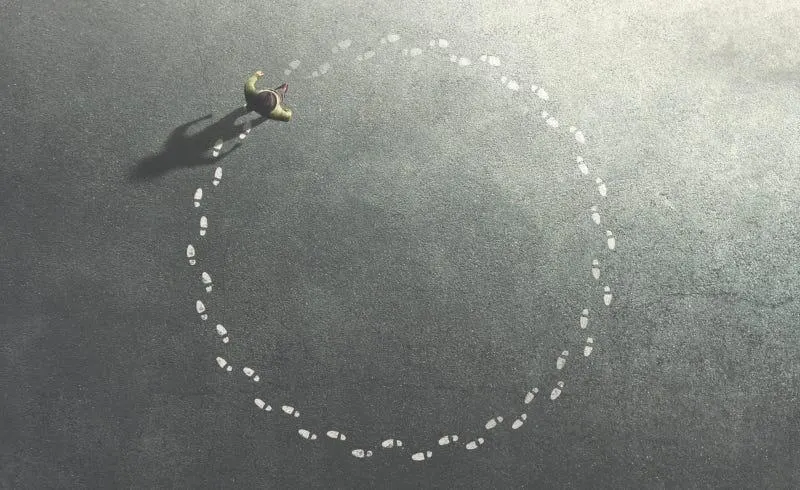
In love, it's the same argument wearing a different outfit. In work, it's turning down chances and calling it "bad timing." In money, it's the same choice, re-justified every time. In health, it's knowing exactly what's happening, and doing it anyway.
This is the real tax on your growth and your emotional intelligence - not one big collapse, just years of small decisions quietly capping how far you go.
Too Busy Being Certain
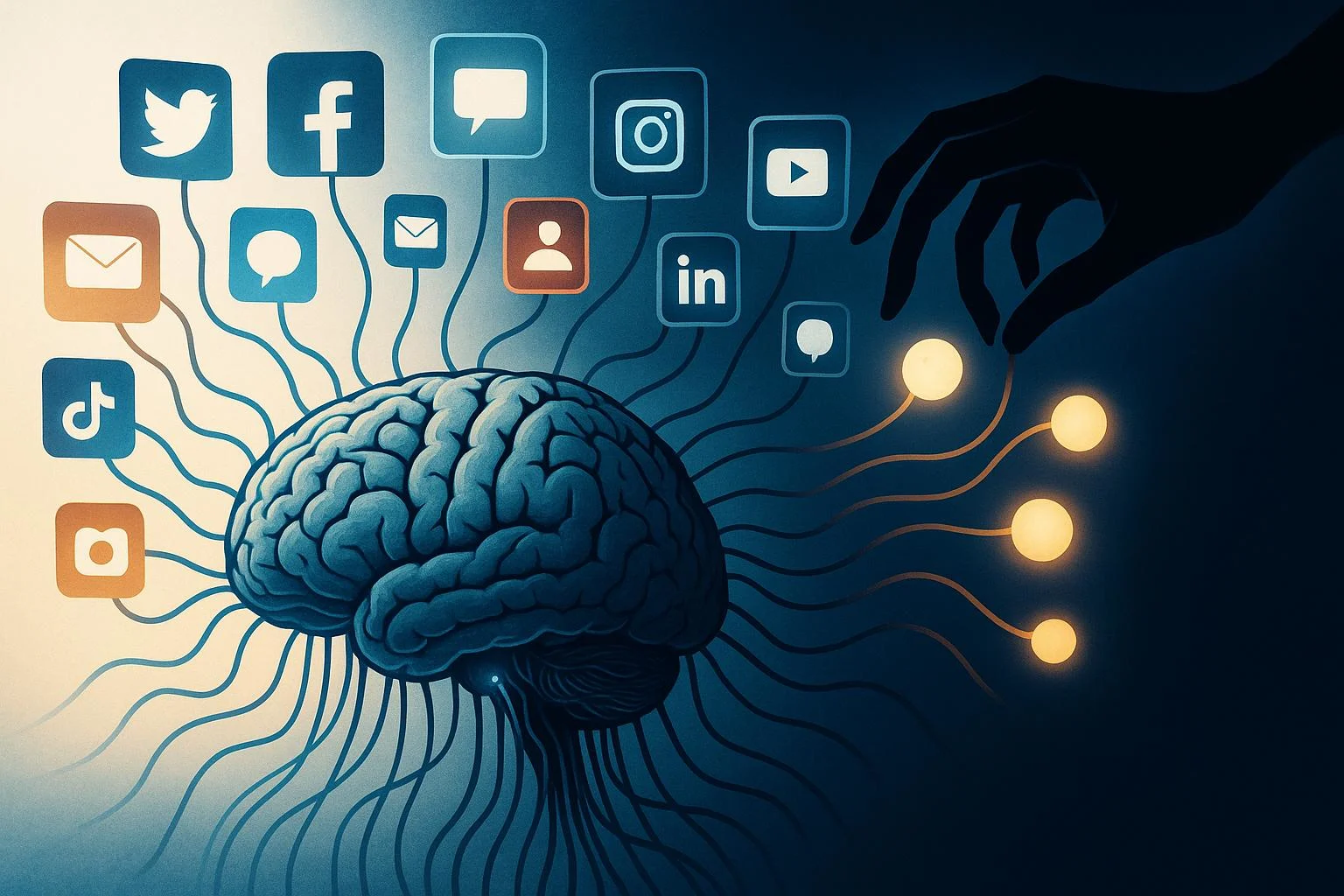
Here's the part that makes this harder today than it used to be. You're not just fighting your own biases anymore - you're fighting an entire economy built on certainty.
Algorithms don't reward "I'm not sure." They reward confidence, hot takes, strong opinions delivered without hesitation. Nobody goes viral saying "I might be wrong about this". So the loudest version of an idea wins, and the more honest, uncertain one quietly gets buried.
Somewhere in there, self-reflection stopped feeling productive. Not because we stopped caring about personal growth, but because the internet simply has no algorithm for doubt.
Not Lazy, Just Tired
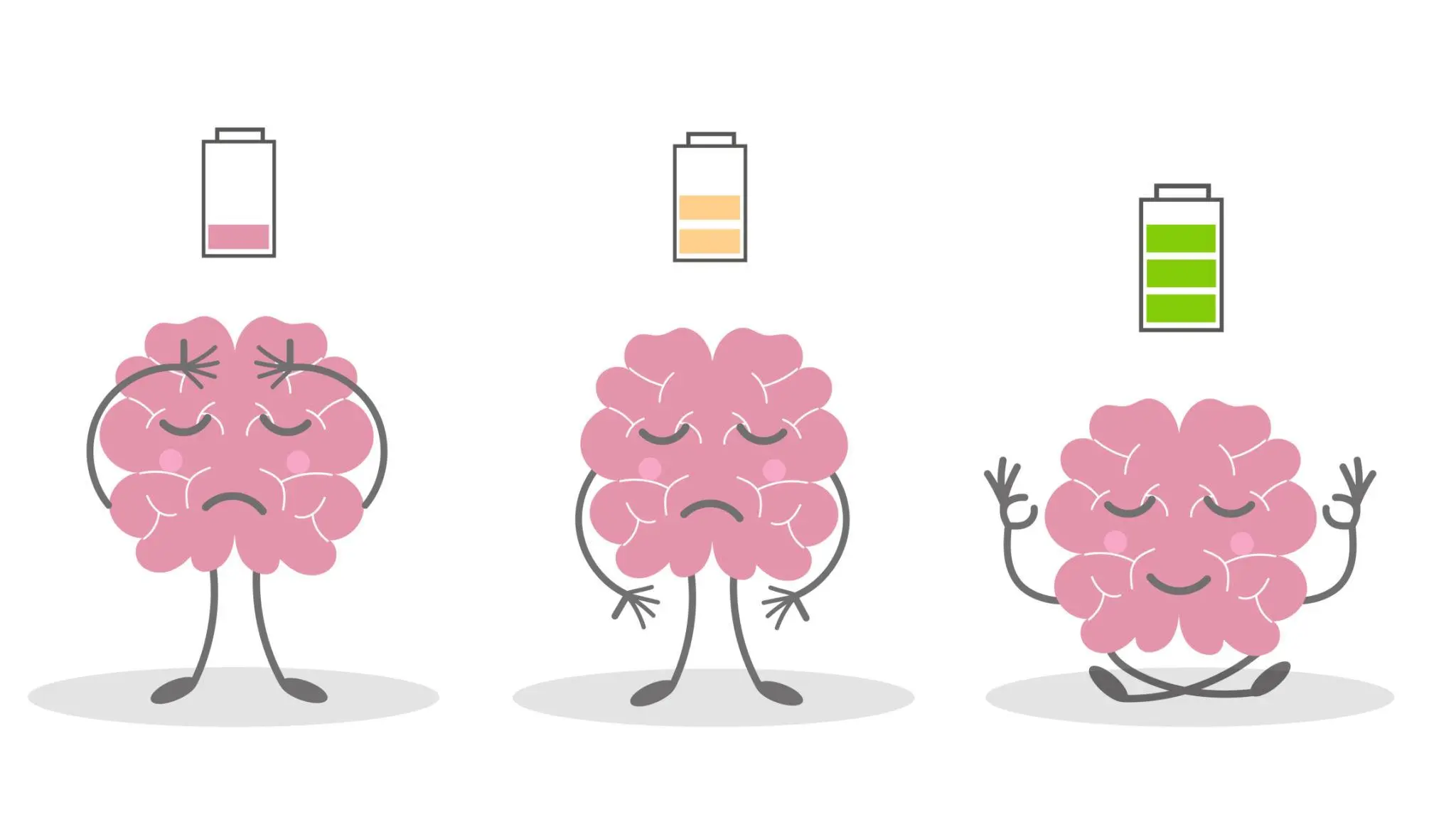
If you've ever known exactly what you should change and still couldn't make yourself do it, that's not a character flaw. That's decision fatigue - your ability to make thoughtful choices wearing thin as the day goes on. Some researchers also point to ego depletion, the idea that willpower runs low like a battery, though later studies argue about how real that effect actually is.
What's harder to argue with is habit. Once something becomes automatic, your brain will always choose repeating it over questioning it. It's cheaper, energy-wise. Your brain isn't broken. It's just doing exactly what it's built to do: save energy, not audit itself.
What to Do About It
Not completely, no.
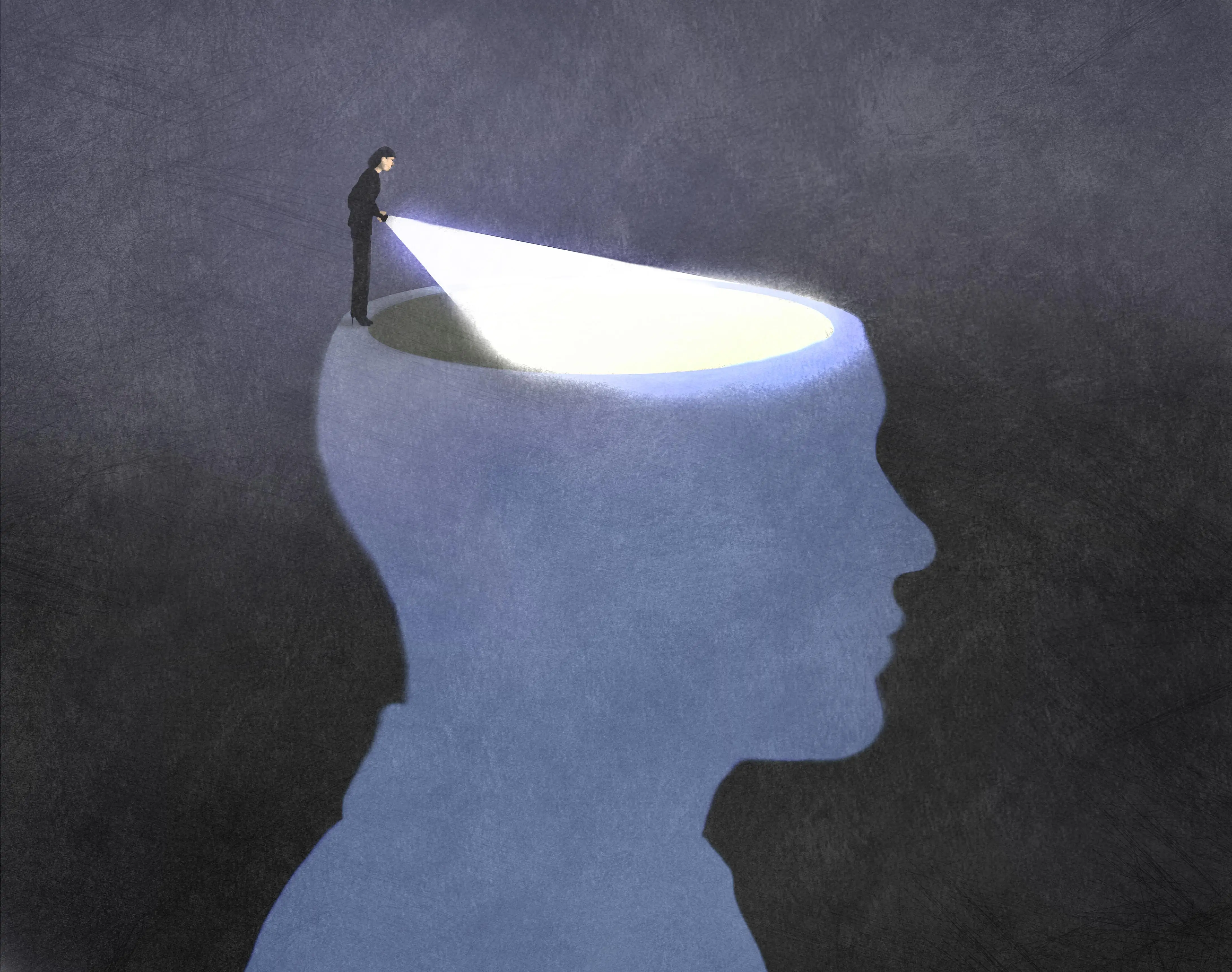
Timothy Wilson spent years studying the limits of introspection - he literally titled his book Strangers to Ourselves - his conclusion was blunt: you will never get full access to your own mind, no matter how hard you try. Tali Sharot's work on optimism bias adds one more twist: we're wired to imagine the future, and ourselves, a little better than reality actually supports.
Oddly, that's not the bad news it sounds like. Every insight you gain opens up a new blind spot somewhere else, simply because you can't examine everything at once. That's not failure. That's what keeps you growing instead of finishing. As Thaler and Sunstein put it in Nudge, you don't need to see everything clearly to make a better choice -sometimes a small shift in framing is enough. Mental clarity was never really a finish line. It's more like a moving target worth chasing anyway.
The Whole Point
Maybe the goal was never total self-awareness.
Maybe it's just staying curious enough to keep asking one question, even when it's uncomfortable:
What if the thing holding me back is the one thing I still can't quite see?
That question won't fix anything by itself. But it keeps the window open. And that might be the only real difference between feeling stuck - and slowly, quietly, becoming unstuck. For a deeper dive, you'll find all the sources referenced in this article below!
Sources
- Daniel Kahneman Theory - Thinking, Fast and Slow Framework
- Joseph Luft and Harrington Ingham Model - The Johari Window Model
- Leon Festinger's Theory - Cognitive Dissonance Theory
- Emily Pronin's Perspective - Bias Blindspot
- Nobel laureate Richard Thaler and Cass Sunstein Book - The Nudge
Why is it so easy for my friends to see my relationship or career mistakes when I am completely blind to them?
Your brain is designed to protect your ego and save energy, so it actively filters out uncomfortable truths. Biases like cognitive dissonance and confirmation bias work behind the scenes to rewrite your story before you even realize it. It is not a character flaw, but rather your mind running on autopilot to prioritize comfort over accuracy.
How can I actually start uncovering these blind spots if my brain is actively hiding them from me?
Start by listening to the people you trust and staying curious instead of getting defensive when they point things out. Since others can see your blind spots much more clearly than you can, their feedback is your most valuable shortcut. Try pausing when you are tired, too, since decision fatigue often makes you fall back on automatic, unexamined habits.
Can I ever fully clear out my blind spots and achieve total self-awareness?
Honestly, no, and accepting that is actually incredibly freeing. Research shows we will never have full access to our own minds, and as soon as you shine a light on one area, a new blind spot opens up somewhere else. The goal is not to reach some perfect finish line, but to keep asking what you might be missing so you can make slightly better choices.