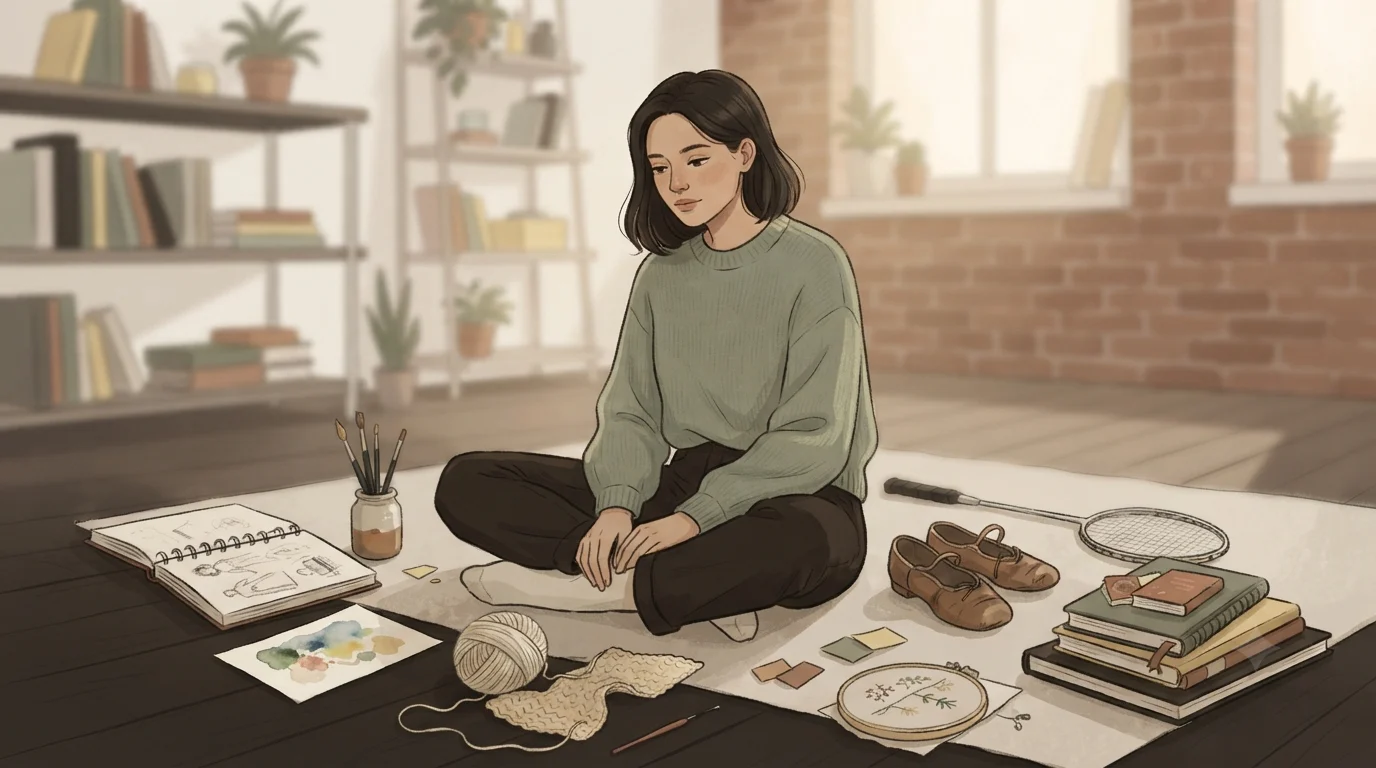

I have a drawer full of things I am almost good at. A sketchbook with half finished paintings. A crochet hook and yarn from a blanket I never completed. Dance videos on my phone that I never posted anywhere. For years I thought this drawer was proof that something was wrong with me.
I can paint. I can draw. I can dance, badly but with rhythm. I have played enough sports to hold my own in a casual game. I crochet, slowly, with visible mistakes in every row. I have tried more things than I can list here, and if you lined them all up, none of them would look impressive on their own.
For a long time I read that as a personal failure. Not talented enough. Not consistent enough. Not focused enough to pick one thing and become excellent at it, the way everyone seems to expect you to.
The Quiet Guilt of Being Just Okay
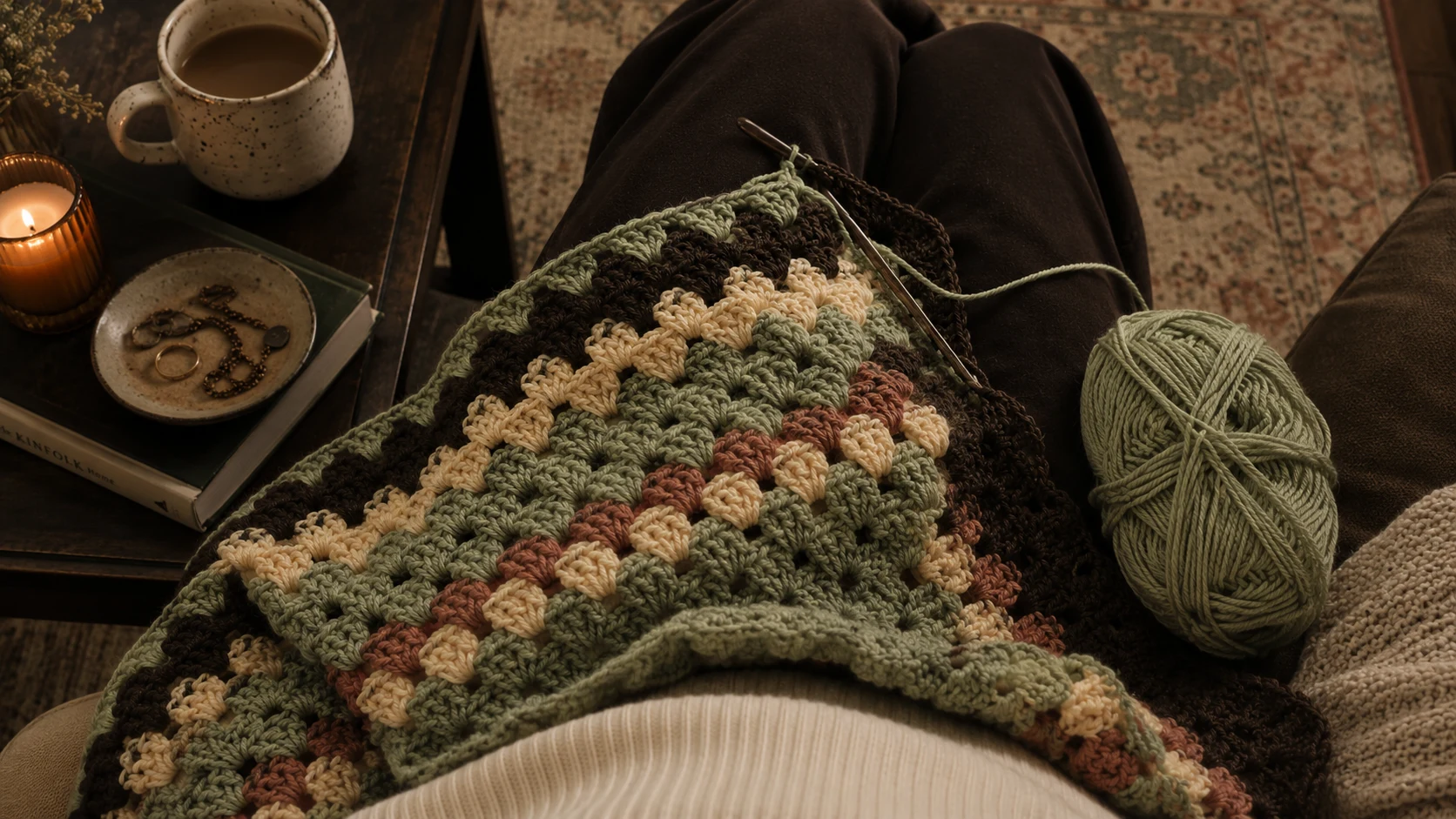
There is a specific kind of guilt that comes with being decent at something and nothing more. It does not announce itself loudly. It shows up quietly, in the moment you tell someone you paint and they ask to see your work, and you feel the need to explain why it is not that good before they even look.
I used to feel that every time someone found out about one of my hobbies. Not embarrassment exactly. More like a pre-emptive apology for not having anything to show for the time I had put in.
I was not ashamed of doing the thing.
I was ashamed of not having mastered it.
As if enjoying something without a result to point to was somehow not a good enough reason to keep doing it.
Somewhere We Started Grading Our Hobbies
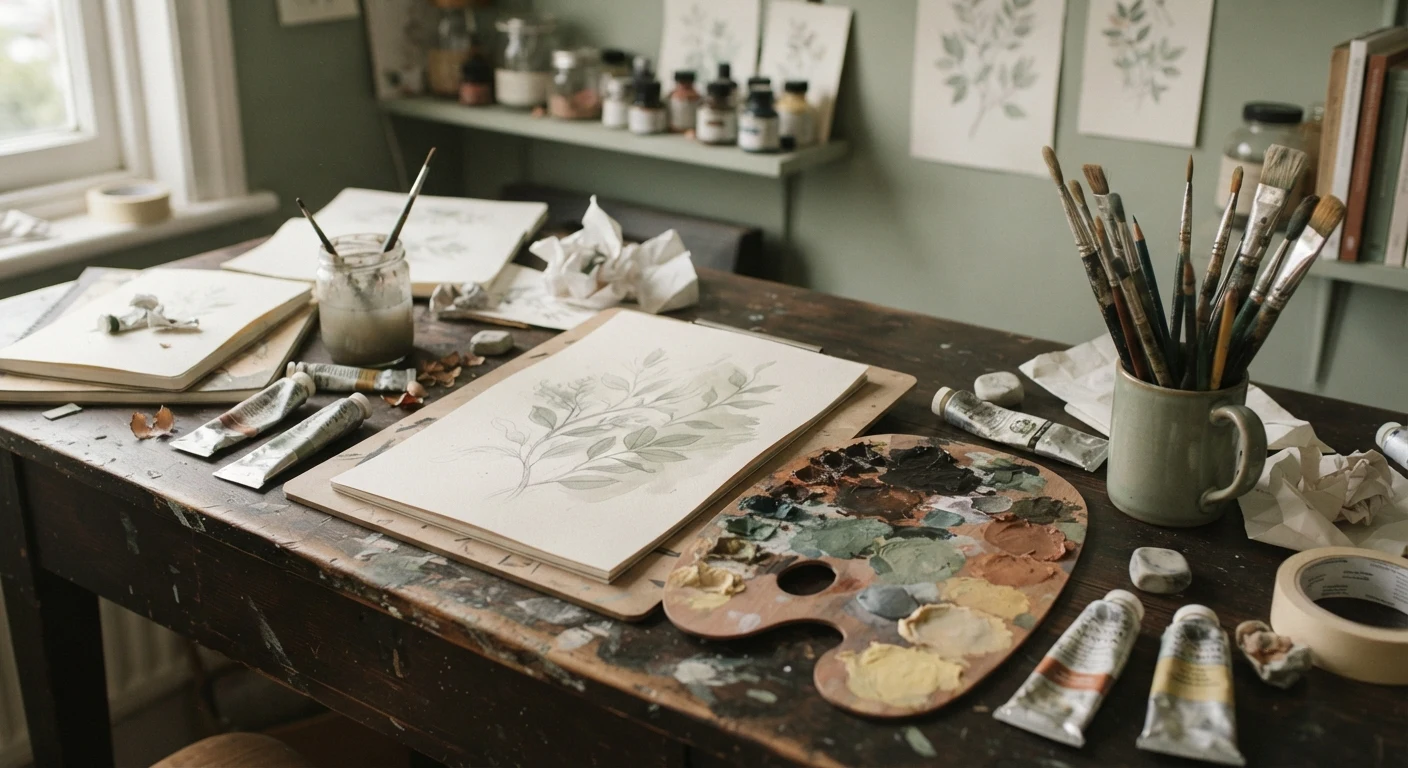
I think about how natural it felt to be bad at things as a kid. Nobody expected a seven year old's drawing to be good. It was just a drawing. You did it because you liked doing it, and then you moved on to the next thing without any of us keeping score.
Somewhere between then and now, that changed. Every hobby started needing a purpose beyond itself. If you paint, someone eventually asks if you sell your work. If you run, someone asks about your pace. If you cook, someone asks if you have thought about starting a page for it.
None of these questions are unkind. But they carry an assumption underneath them, that enjoying something is only the first step, and the real point is what you eventually turn it into.
Somewhere along the way, doing something for its own sake stopped being enough.
It had to become a skill, then an achievement, then sometimes even an identity.
What Being Bad at Something Actually Requires
Here is the part I did not understand for a long time. Every single thing I am half good at today exists because, at some point, I was brave enough to be completely bad at it.
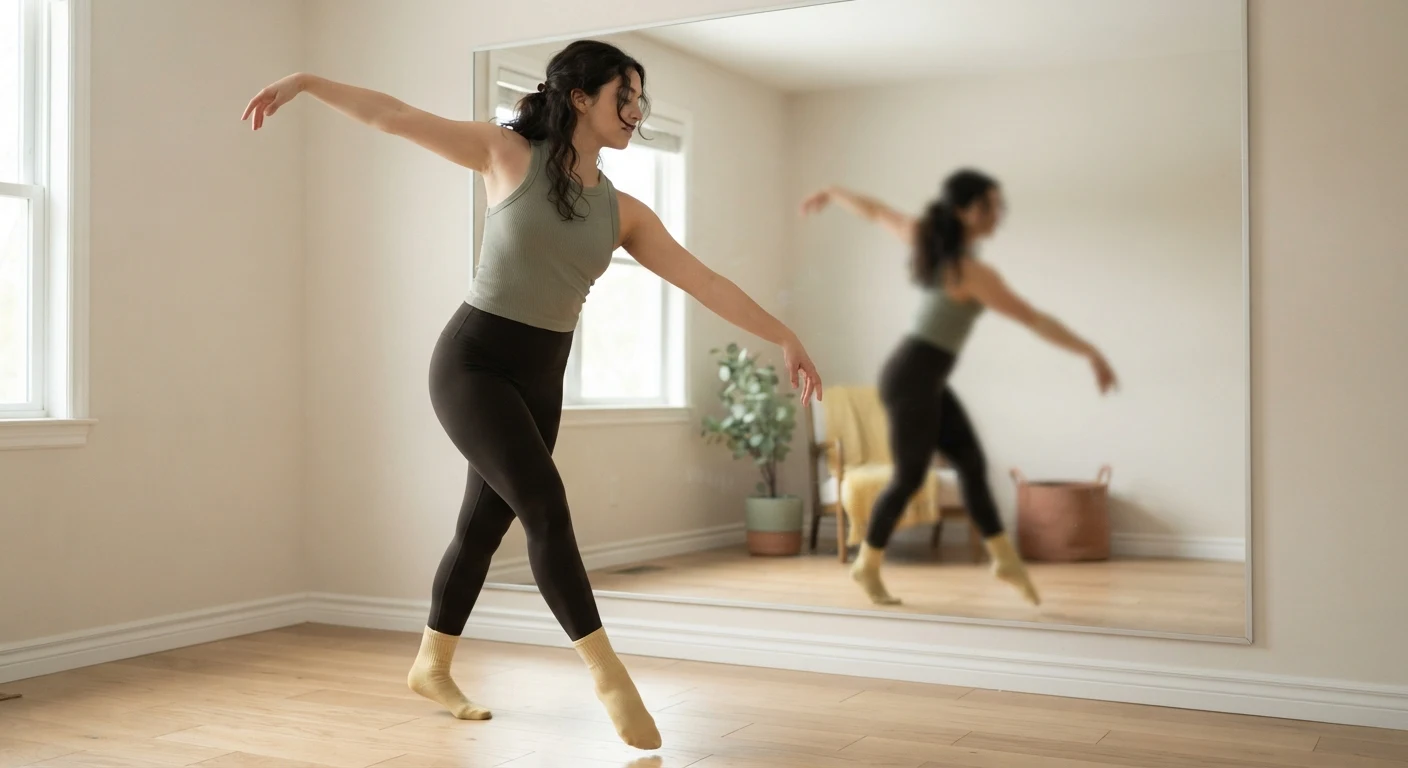
I do not mean brave in a dramatic sense. I mean the specific, unglamorous courage it takes to make a drawing you know is bad and keep drawing anyway. To mess up the same dance step for the tenth time in front of a mirror that does not lie to you. To play a sport clearly worse than everyone else on the field and show up again next week regardless.
Nobody talks about that part. We talk about talent, about natural ability, about people who were just born good at things. We rarely talk about the very unremarkable decision to keep doing something while being obviously bad at it, with no promise that you will ever be anything more than mediocre.
That decision, repeated enough times, is the entire reason I know how to do half the things I know how to do. Not talent. Just the willingness to be bad in front of myself, over and over, without needing that phase to end quickly.
Why We Feel Guilty for Losing Interest
There is another layer to this that took me even longer to unpack. It is not just the pressure to be good at things. It is the guilt of losing interest in something before you get there.
I have started and stopped more hobbies than I can count. Some I return to. Some I never touch again. For years I treated every abandoned interest as evidence of a character flaw, like I was someone who could not commit, who gave up too easily, who lacked whatever discipline other people seemed to have.
But interest is allowed to be temporary. Curiosity does not owe anyone a five year plan. I was drawn to crochet because I liked the repetition of it during a specific season of my life. I do not owe it a finished blanket to justify the hours I spent learning the stitches.
The real question is never whether you stuck with something long enough. It is always something closer to: did it give you what you needed while you were in it?
What Doing Something Just to Do It Actually Gives You
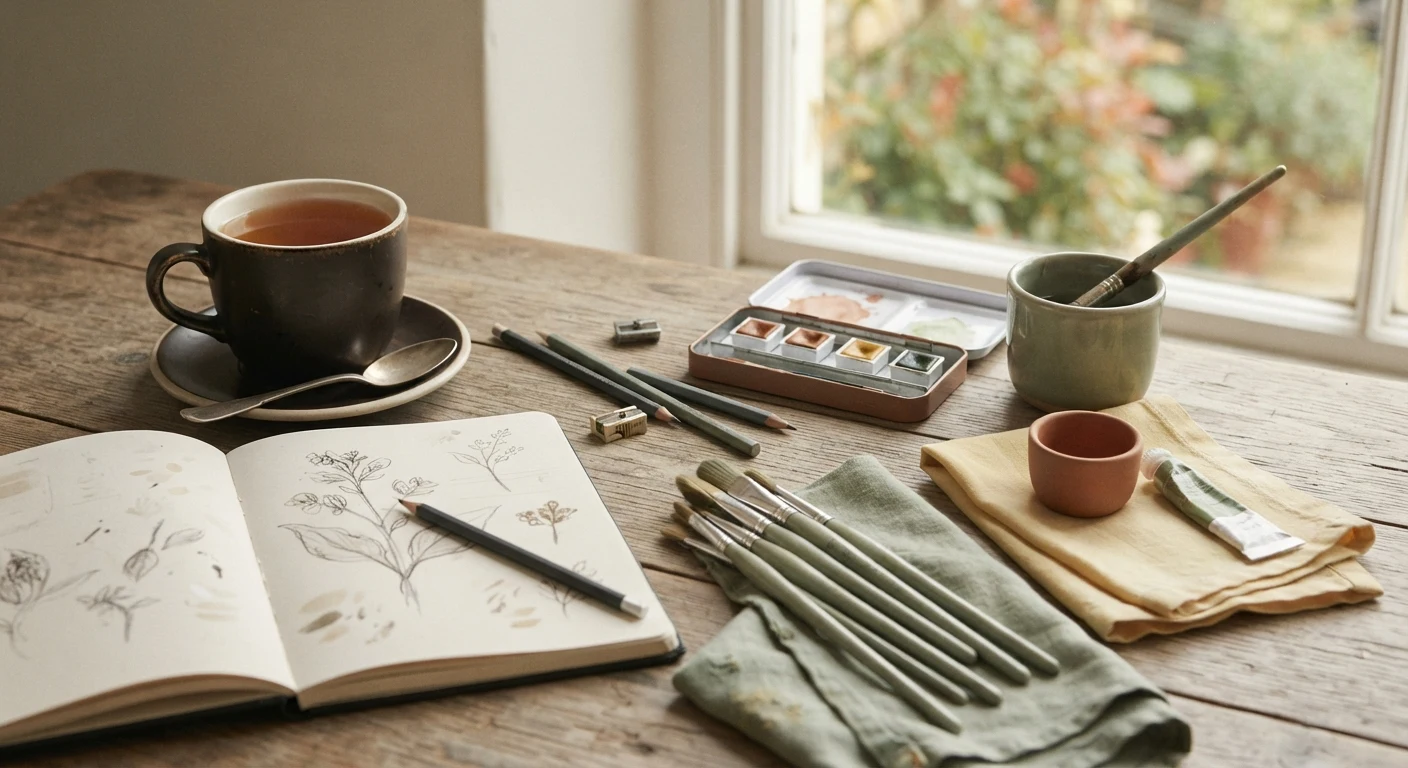
Somewhere in the last few years I stopped needing my hobbies to become anything. I paint sometimes on a Sunday and the painting stays in my sketchbook. I dance in my room with the door closed and no one ever sees it. I crochet slowly, badly, for the specific feeling of my hands doing something instead of scrolling.
None of it needs to turn into a side hustle. None of it needs an audience to justify the time. The value was never in the outcome. It was in the version of me that exists while I am doing it, focused, a little clumsy, fully present in a way I rarely am anywhere else.
I am not trying to become good at everything anymore.
I am trying to stay someone who is still willing to be bad at things.
That distinction changed how I see my entire drawer of half finished projects. It is not a collection of failures. It is a record of every time I was curious enough to start something without knowing where it would go.
Being a Beginner Again, On Purpose
I think often about how uncomfortable it feels to be bad at something as an adult, especially in front of people who already know you as capable, competent, put together. There is a specific vulnerability in letting someone watch you fumble through the beginning of something new.
But that discomfort is not a warning sign to avoid. It is usually just the entry fee. Every person who is good at something now paid it at some point, quietly, without an audience, long before anyone thought to call them talented.
I am not writing this to convince you to pursue mastery in anything. If anything, I am writing this to give you permission to stop needing to. To pick something up, be bad at it, enjoy it anyway, put it down when you are done with it, and not owe anyone an explanation for any part of that process.
My drawer of half finished projects is not going anywhere. And for the first time in a long time, I do not think it needs to.
How do I stop feeling guilty about starting hobbies and never finishing them?
Give yourself permission to treat curiosity as temporary rather than a lifelong commitment. You do not owe a project a finished product just to justify the hours you spent enjoying it. Focus on what the activity gave you in the moment and let go of the need for a final result.
Why do I feel so embarrassed when people ask to see my art or hobbies?
Remind yourself that you do not need to produce a masterpiece to justify spending time on something you love. Shift your focus from the final product to the process itself and answer proudly that you do it simply for fun. Enjoying the act of creating is a perfectly valid end goal on its own.
How do I learn to enjoy something when I am clearly terrible at it?
Embrace the awkwardness as a natural entry fee for trying something new. Stop keeping score or comparing yourself to experts, and focus instead on how the physical act of doing makes you feel. Over time, you will find a unique freedom in playing with no expectation of success.