
My cousin's father-in-law was fine on a Tuesday. By Thursday, he was in the ICU with a blocked artery, and by the following Monday, the family had a bill in front of them for eleven lakh rupees. Not because the hospital was doing anything fancy. Just angioplasty, a stent, four days of ICU monitoring, and a lot of paperwork none of them understood in the moment.
They didn't have mediclaim. They had savings, a fixed deposit meant for a wedding, and a very understanding relative who lent them the rest. It took them almost two years to recover financially. The man himself recovered in six weeks.
That gap - six weeks versus two years - is the entire argument for mediclaim in one sentence.
What Mediclaim Actually Means, In Plain Words
Mediclaim is just an old-school term for health insurance - a policy where you pay a yearly premium, and in return, the insurer pays for your hospital bills (fully or mostly) when something goes wrong. You can take it for yourself alone, or as a "family floater," where one sum insured is shared across your spouse, kids, and sometimes parents.
That's it. No complicated jargon needed to understand the basic idea. The complications come later, in the fine print - and we'll get to that.
Three Real Situations That Show the Difference
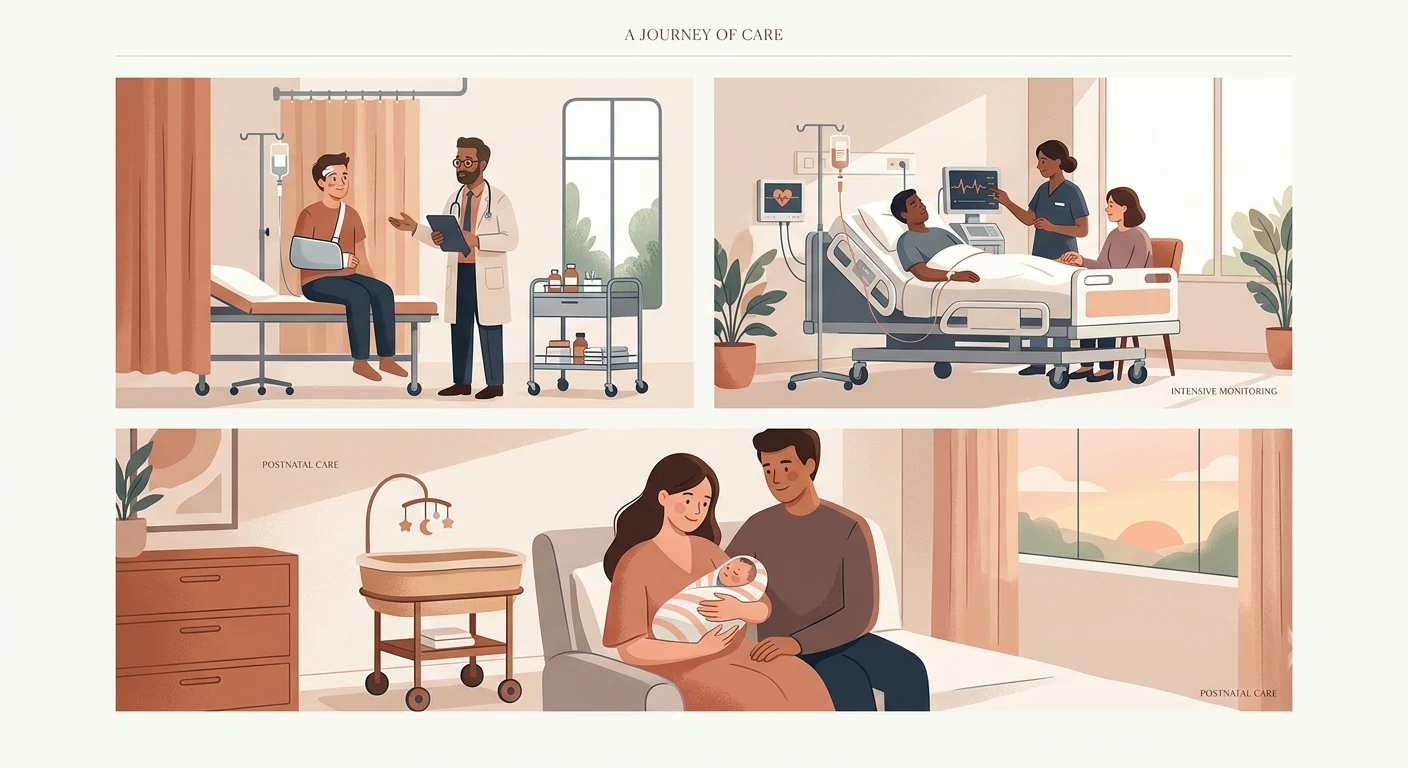
The accident nobody saw coming. A friend's brother, 26, met with a bike accident and needed surgery for a leg fracture. Bill: three and a half lakhs. His employer's mediclaim made it cashless - no money at the counter, just the card and the focus on getting better.
The diagnosis that changes everything. A schoolteacher in her mid-40s was diagnosed with breast cancer. Treatment crossed twelve lakhs. A critical illness rider she'd almost skipped paid out a lump sum right at diagnosis, covering chemo costs while the main claim was still being processed. Without it, her husband would've had to sell land.
The planned one that still hurts. A young couple expecting their first child discovered their policy had a two-year maternity waiting period - and they were only eight months in. One and a half lakhs, out of pocket. Not a disaster, but a lesson: read the waiting period before you need it.
LIC, Oriental, TATA AIA - And Where They Actually Stand
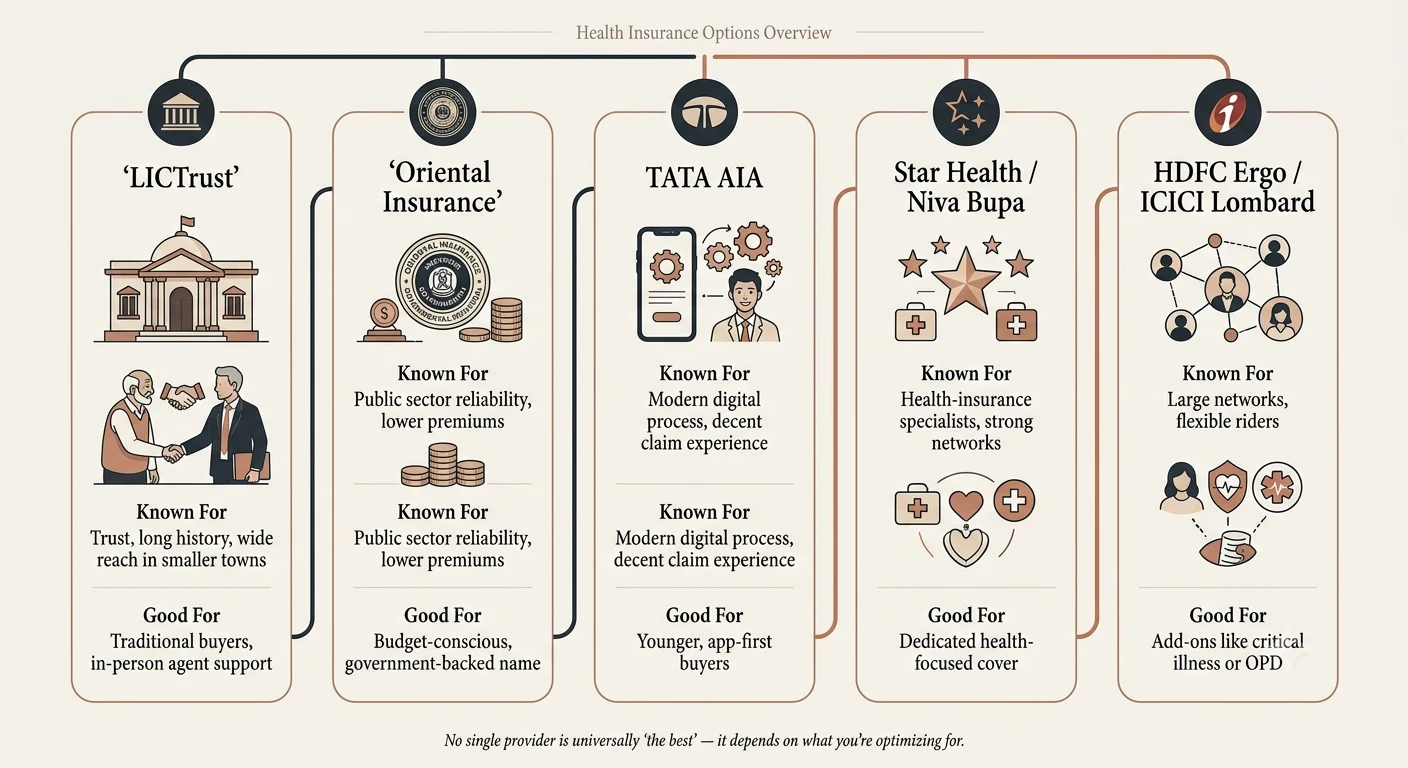
No single provider is universally "the best" - it depends on what you're optimizing for:
| Provider | Known For | Good For |
|---|---|---|
| LIC | Trust, long history, wide reach in smaller towns | Traditional buyers, in-person agent support |
| Oriental Insurance | Public sector reliability, lower premiums | Budget-conscious, government-backed name |
| TATA AIA | Modern digital process, decent claim experience | Younger, app-first buyers |
| Star Health / Niva Bupa | Health-insurance specialists, strong networks | Dedicated health-focused cover |
| HDFC Ergo / ICICI Lombard | Large networks, flexible riders | Add-ons like critical illness or OPD |
What to Actually Check Before You Sign
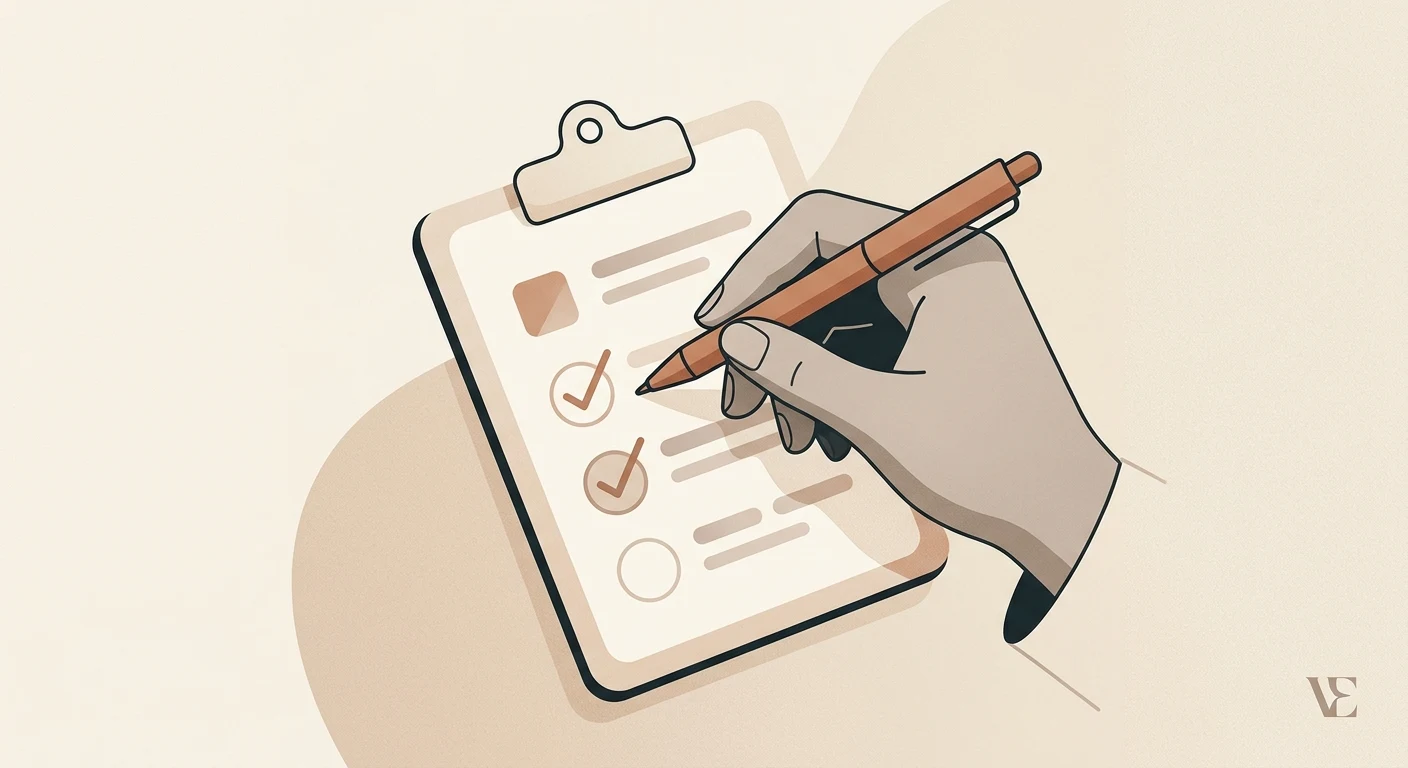
A few things matter more than the brand name on the policy:
- Sum insured - Ten lakhs is a reasonable starting point for a family in a metro city today; less in smaller towns, more if anyone in the family has a health history.
- Waiting period - Especially for maternity, pre-existing conditions, and specific illnesses. Some clauses take two to four years to kick in.
- Co-pay clause - Some policies make you pay a percentage of every bill yourself. Read this line twice.
- Network hospitals - Cashless treatment only works at hospitals the insurer has tied up with. Check if your preferred hospital is on that list.
- Exclusions - Every policy has a list of things it won't cover. It's usually in small print, and it's usually worth the ten minutes it takes to read.
The One Line Worth Remembering

Nobody plans to end up in a hospital bed. That's exactly why mediclaim exists - not for the version of life where everything goes right, but for the one Tuesday when it doesn't. If there's one thing worth doing after reading this, it's not researching the "perfect" policy. It's just picking up the phone and asking your family: do we actually have this sorted, or are we hoping we'll never need it?
I already have health insurance from my job. Do I still need to buy my own policy?
Yes, because your office cover ends the moment you leave your job or get laid off. Having a personal policy ensures you are never left unprotected during career transitions and lets you complete your waiting periods early.
How much insurance cover is actually enough if I live in a big city?
Start with at least ten lakh rupees for a family living in a metro, as basic ICU and surgical charges can drain smaller funds in days. You should scale this amount higher if you have older parents or a family history of chronic illness.
Can I get my delivery expenses covered if I'm already pregnant?
No, because almost all policies impose a strict two to four year waiting period before they cover maternity expenses. If you are already expecting, you will need to pay the hospital bills out of pocket and plan ahead for future needs.