

A few years ago, I spent an entire night awake staring at my phone, re-reading a completely routine text message trying to find a hidden meaning that wasn't there. My chest was tight, my stomach was in knots, and every logical thought I had was drowned out by an urge to check their location or look through their social media.
Back then, I thought that obsessive hyper-vigilance was proof of how deeply I cared. It took me a long time - and a few broken relationships - to realize it was actually the sound of trust running on absolute empty.
We talk about relationship trust like it's a light switch you flip on during the first date. In reality, it functions more like physical rehab after a torn ligament: it takes months of small, boring exercises, it hurts when you move the wrong way, and rushing the process usually just re-injures you.
Dealing with trust depends entirely on what broke it in the first place. Building trust from scratch requires a completely different approach than repairing it after a quiet omission - or rebuilding it after actual infidelity.
How to Build Trust in a Relationship From the Start
So, how do you actually build trust in a relationship?
Not with one big romantic act. With small consistent actions that stack up so slowly neither of you notices it happening, until one day you realize you don't brace yourself when their name pops up on your phone anymore.
It might sound dry, but predictability gives your partner permission to loosen up. Predictability, in a relationship, is actually one of the most romantic things you can offer someone. It means they can relax around you.
1. Open Communication Is Not the Same as Talking a Lot
Plenty of couples talk constantly and still don't communicate. They talk about how their day went, what bothered them, rant about random life stuff. But the second something uncomfortable needs saying, the conversation quietly changes.
Real communication means you say the thing that might make the other person a little upset, because leaving it unsaid would cost more later. Real skill is not "talking more", it's talking through discomfort instead of around it.
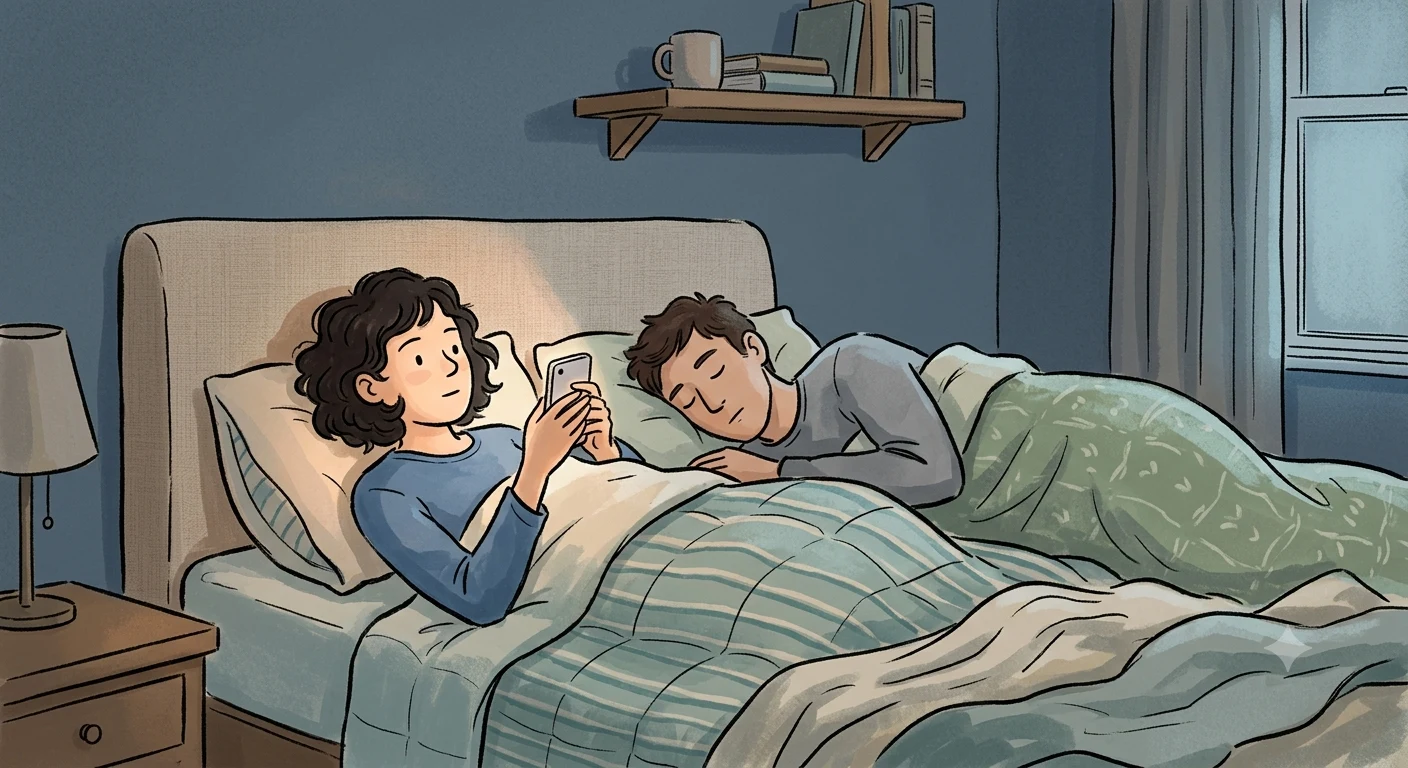
A real scenario might be: if your partner starts spending every evening scrolling on their phone while sitting next to you, bringing it up can feel uncomfortable because you don't want to sound needy. But choosing to name that quiet disappointment early is what keeps small friction from turning into real distance.
2. Boundaries Around Social Media and Friends Need to Be Specific, Not Vague
"I trust you" is not a boundary. It's a hope. Vague trust statements fall apart the first time something ambiguous happens, because neither of you actually agreed on what counts as a problem.
Specific boundaries sound less trusting on the surface but function completely differently. Something like: you're both fine with keeping exes as followers, but liking old photos of them feels off. Or: DMs from an ex get mentioned, not hidden, even if nothing is wrong with them.
3. Emotional Safety Is Built in the Reaction, Not the Rule
Emotional safety is usually tested early on, often by accident. When your partner admits something small, uncomfortable, or slightly embarrassing, how you react in that exact moment sets the tone. It teaches them whether honesty is safe with you or something they need to filter going forward. You can have every boundary perfectly defined and still have no emotional safety if your reaction to bad news is explosive.

Most people don't decide to start lying overnight. It happens in subtle shifts. The moment they realize a small, honest confession leads to a lecture or an argument, they quietly start managing your mood instead of sharing their reality. Overreacting once doesn't just ruin that conversation - it changes how they communicate with you six months down the line.
How to Rebuild Trust in a Relationship After an Honest Mistake
Not every trust break comes from malice. Some come from fear dressed up as an omission. And these are actually harder to talk about than cheating, because there's no clean villain in the story, just two people who handled something badly in different ways.
In my early 20s, I kept an ex on my Snapchat feed simply because I didn't want the awkwardness of unfriending them. I wasn't messaging them, but when my partner eventually saw the notification pop up on my phone, my innocence didn't matter. The secrecy looked like guilt, and the fight that followed wasn't really about Snapchat - it was about the fact that I had hidden something out of fear.
What Actually Repairs This Kind of Break?
The repair here isn't really about the specific incident. It's about proving that your instinct to hide discomfort has changed, and that takes longer than one conversation.
- Skip the justification, lead with the impact. "I see why finding that out on your own felt like a betrayal" lands completely differently than "I didn't think it mattered."
- Let the hurt be valid even if your intentions were fine. Impact and intent are two separate facts. Both can be true at once.
- Overcorrect on transparency for a while, even about things that don't matter. Mentioning a boring DM from a coworker feels unnecessary until you remember that's exactly the muscle you're rebuilding.
| Situation | What Feels Natural (But Backfires) | What Actually Repairs Trust |
|---|---|---|
| Hiding something out of fear | Waiting for it to come up on its own | Bringing it up yourself, even clumsily |
| Getting caught in a lie | Explaining why the lie felt necessary | Naming the lie plainly, no cushioning |
| Broken promise | A long apology with excuses folded in | A short apology, then a changed pattern |
How to Rebuild Trust After Cheating
Rebuilding trust after infidelity isn't a weekend project, and it won't be fixed with flowers, a tearful apology, or a mutual agreement to just move past it.
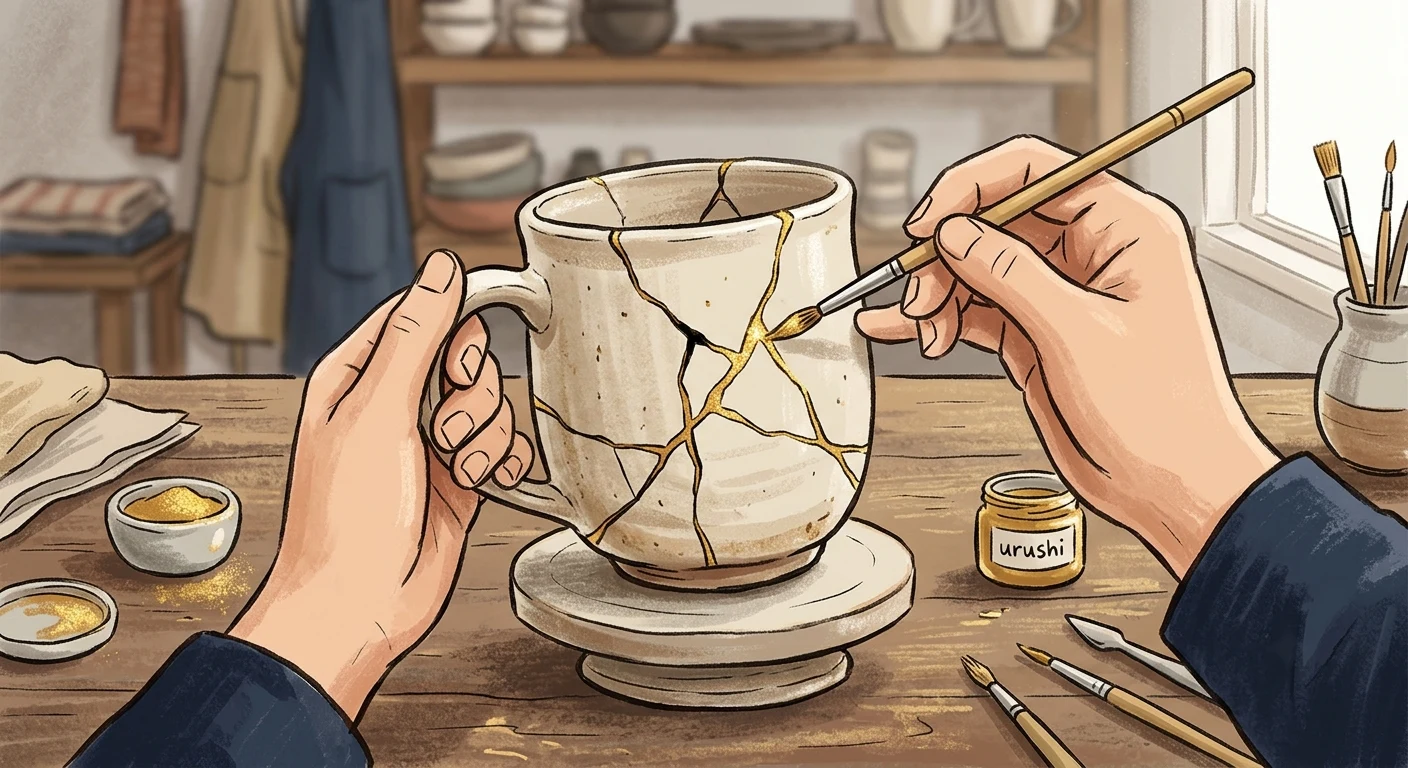
"Once a cheater, always a cheater" is a stigma people repeat because it's simple, not because it's reliably true. People change. But change has to be demonstrated over time, not just declared once and referenced afterward as proof it happened.
Whether this happened within your current relationship, or you're carrying it in from a past one with a new partner who already knows, the underlying repair work is nearly identical. What changes is just how much explaining you owe someone for something they didn't witness firsthand.
1. Tell the Full Story Once, Not in Installments
This is the part that gets underestimated the most. Trickled-out honesty, where new details surface weeks or months later, doesn't read as honesty at all. It reads as someone finally getting caught in stages, which restarts the entire healing clock every single time it happens.
If you cheated, the instinct to soften the story on the first telling is almost universal. Leave out the part that makes you look worse, downplay how long it went on, round down the details. It feels protective in the moment. It is, in fact, the single most damaging thing you can do to the recovery process, because it guarantees a second betrayal down the line when the full picture eventually surfaces.
Tell it once. All of it. Even the parts that make the conversation almost unbearable to sit through.
2. Their Timeline Is the Only Timeline That Matters
This is where genuinely remorseful people still get it wrong, constantly. Carrying guilt is exhausting, and there's a real pull toward wanting forgiveness to arrive on some kind of schedule, if only so the guilt can stop.
But healing doesn't run on the guilty party's exhaustion. It runs on the betrayed partner's nervous system, and that resets on its own timeline, not a negotiated one.
What this looks like in practice:
- Answering the same question 5 different ways without visible irritation, because they're not actually asking the same thing each time, they're testing different angles of the same fear
- Not treating a bad day 3 months later as a step backward, because healing from this specific kind of wound is not linear, and a random Tuesday can trigger a spiral that has nothing to do with anything you did that day
- Resisting the urge to say "we've already been through this", even when you have, because for them it might not feel resolved just because it's been discussed once
3. There's a Line Between Real Remorse and Remorse That Becomes Its Own Burden
This one surprises people, because it sounds counterintuitive. At some point, excessive guilt stops functioning as accountability and starts functioning as its own demand for attention. Your partner ends up managing your shame on top of processing their own hurt, and that's an unfair weight to add to someone who's already carrying enough.
Real accountability looks like steady, unremarkable change over time. Not a permanent apology tour that never lets either of you move forward.
When Rebuilding Trust Becomes Unhealthy
There is a fine line between rebuilding trust and submitting to constant surveillance. Rebuilding trust requires voluntary transparency, but it should never turn into a dynamic where one person becomes the security guard and the other becomes the prisoner.
If "rebuilding trust" in your relationship looks like demanding phone passwords, tracking live GPS locations 24/7, or requiring an immediate reply to every text under threat of an argument, you aren't rebuilding trust - you're managing anxiety through control. If the other person isn't willing to give you space to breathe while you heal, or if you find yourself checking their location every 10 minutes six months later, the healthiest choice might be letting the relationship go.
Can a Relationship Really Recover From This?
Sometimes. Not always. And that's an honest answer, not a hopeful one dressed up to sound reassuring.
Trust recovery is a two-way effort in the most literal sense. One person has to earn it back through consistent, transparent action sustained over real time, not through grand gestures that feel good to perform but don't actually change anything. And the other person has to eventually choose, entirely on their own terms and timeline, to let that trust back in, knowing there's no guarantee it won't happen again.
If only one person is doing that work, it collapses. If the guilty party is doing everything right but the other person already checked out emotionally months ago, it collapses too, just more quietly.
A relationship survives betrayal not because the past disappears, but because both people eventually decide the future is worth building anyway, despite the cracks.
Why is it damaging to share the details of cheating in stages rather than all at once?
Sharing details in stages, or trickled-out honesty, is highly damaging because it feels like getting caught in stages rather than being genuinely honest. Every time a new detail surfaces weeks or months later, it completely restarts the healing process for the betrayed partner. To heal, you must tell the full story once, even the parts that are uncomfortable or difficult to share.
How should I react if my partner keeps asking the same questions about my mistake or infidelity?
You should answer their questions patiently and without visible irritation. When a partner asks the same question in multiple ways, they are usually testing different angles of their fear rather than just looking for facts. Healing from betrayal is not linear, and you must respect your partner's timeline as they process their feelings.
Is it healthy to demand phone passwords or track a partner's GPS location to rebuild trust?
No, this is not a healthy way to rebuild trust. Demanding passwords, tracking live locations 24/7, or requiring immediate text replies is managing anxiety through control. While rebuilding trust requires voluntary transparency, it should never turn into an unhealthy dynamic where one person becomes a security guard and the other becomes a prisoner.
How can you repair a relationship after a trust break caused by an honest mistake or omission?
To repair trust after an omission, skip justifications and focus entirely on the impact of your actions, letting your partner's hurt be valid even if your intentions were fine. You should also overcorrect on transparency for a while by sharing even minor, boring details to rebuild the muscle of openness, and focus on showing a changed pattern of behavior rather than offering excuses.